The Best TheFastingMethod.com Alternatives in 2026

The strongest alternatives to thefastingmethod.com are Zero, Noom, WeightWatchers, Fastic, Sunrise Fasting, Simple, BodyFast, Fastient, Window, FastHabit, Wellos, Calibrate, Mayo Clinic Diet, and Nourish. Each one fills a different gap: some are pure fasting trackers, others are full weight loss programs with clinical oversight, and a few blend both. If thefastingmethod.com’s approach to intermittent fasting no longer fits your goals, or you simply want to compare what else is out there, these are the programs and apps worth your time.

App / Program | Best For | Key Features | Pricing | Platform | Expert Endorsement |
Zero | Fasting tracking with science content | Fasting timer, expert articles, health insights | Free; Premium available | iOS, Android | Science-backed resources |
Noom | Behavior-change weight loss | Psychology coaching, food logging, clinical support | Subscription (tiered) | iOS, Android | Clinically supported |
WeightWatchers | Community-driven weight loss | Points system, fasting options, group support | Subscription | iOS, Android | Registered dietitian input |
Fastic | Motivation and gamification | Fasting timer, challenges, coaching | Free; Premium available | iOS, Android | Coaching-based |
Sunrise Fasting | Fasting plus meal planning | Fasting tracker, nutrition guidance, meal plans | Free; Premium available | iOS, Android | Nutrition-integrated |
Simple | Beginners | Clean interface, fast scheduling, AI coaching | Free; Premium available | iOS, Android | AI-assisted |
BodyFast | AI-personalized fasting plans | AI coach, plan generator, progress tracking | Free; Premium available | iOS, Android | AI-driven personalization |
Journaling and self-monitoring | Fasting log, notes, charts | Free | Web, iOS | Self-accountability focus | |
Window | Social fasting motivation | Community feed, reminders, flexible windows | Free; Premium available | iOS, Android | Community-driven |
FastHabit | Habit building | Simple timer, streak tracking | Free; Premium available | iOS | Habit-focused design |
Wellos | Integrated nutrition and fasting | Expert content, health tracking, nutrition guidance | Subscription | iOS, Android | Expert-led content |
Calibrate | Clinical metabolic health | Doctor supervision, GLP-1 support, metabolic coaching | Subscription (premium) | iOS, Android | Doctor-supervised |
Mayo Clinic Diet | Medically endorsed diet and fasting | Habit tracker, meal plans, fasting options | Subscription | iOS, Android | Mayo Clinic physicians |
Dietitian-led weight loss | Registered dietitian sessions, fasting support, nutrition coaching | Insurance or subscription | iOS, Android | Registered dietitians |
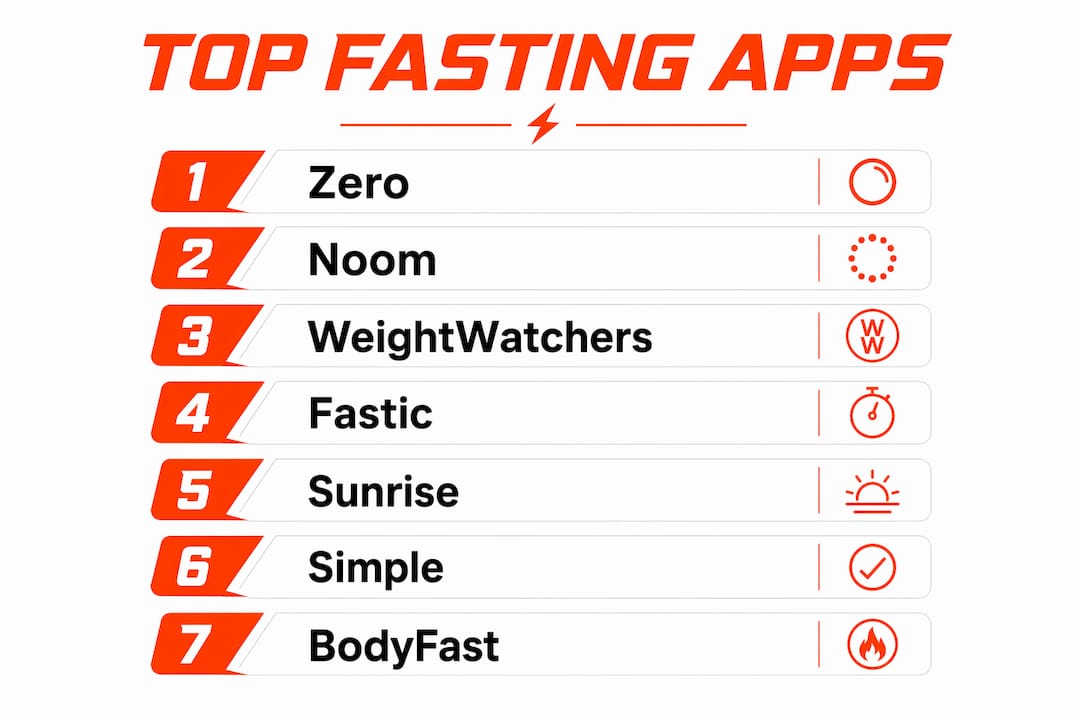
Which fasting apps are the best alternatives to thefastingmethod.com?
The fasting app market splits cleanly into two camps: pure trackers that help you log and time your fasts, and coached platforms that combine tracking with personalized guidance. Knowing which camp you need is the fastest way to narrow the list.

Zero
Zero is the most widely used dedicated fasting tracker in the US. The app centers on a clean fasting timer, but what separates it from basic stopwatch apps is its library of expert-written articles on metabolic health, circadian biology, and longevity. People who want to understand why they are fasting, not just when, get real value from that content layer. Zero offers a free tier with core tracking and a Premium subscription that unlocks deeper health insights and personalized recommendations.
Pros:
Clean, intuitive interface with minimal learning curve
Expert content grounded in metabolic science
Syncs with Apple Health and other health platforms
Cons:
Limited coaching or community features compared to full programs
Premium features require a paid subscription
Sunrise Fasting
Sunrise Fasting stands out by pairing a fasting timer with meal recommendations, which most pure trackers skip entirely. You get a fasting schedule alongside guidance on what to eat during your eating window, making it a practical choice for people who want fasting and nutrition support in one place. The free version covers the basics; Premium adds more detailed meal planning.
Pros:
Combines fasting tracking with nutrition guidance
Meal planning integration reduces decision fatigue
Available on both iOS and Android
Cons:
Less name recognition than Zero or Fastic
Premium content depth varies by user goal
Fastic
Fastic takes a gamification approach: challenges, badges, and a social feed keep motivation higher than a plain timer ever could. The coaching features inside the Premium tier add structured guidance, which makes Fastic a reasonable middle ground between a tracker and a coached program. It works especially well for people who need external motivation to stick with a fasting schedule.
Pros:
Gamification keeps engagement high
Active community and social features
Coaching available in Premium
Cons:
Gamification can feel gimmicky for serious users
Core coaching is paywalled
Simple
Simple targets beginners who find most fasting apps overwhelming. The interface is deliberately minimal, and the AI coaching layer asks a few questions upfront to suggest a fasting window that fits your lifestyle. For someone just starting intermittent fasting, that guided onboarding removes a lot of friction. The app has grown its user base steadily and now includes habit tracking alongside fasting.
Pros:
Beginner-friendly design with guided setup
AI coaching personalizes the starting schedule
Covers fasting and broader wellness habits
Cons:
Less depth for experienced fasters
Some advanced features require Premium
BodyFast
BodyFast uses an AI coach to generate weekly fasting plans rather than locking you into one protocol. That flexibility matters because most people need to adjust their fasting window as their schedule, energy, and goals shift. The AI adapts the plan based on your feedback, which is closer to working with a human coach than most apps offer at this price point.
Pros:
AI-generated weekly plans adapt to your feedback
Supports multiple fasting protocols (16:8, 5:2, and others)
Progress tracking with visual charts
Cons:
AI coaching is not a substitute for clinical guidance
Premium required for full plan customization
Fastient
Fastient is a journaling-first fasting app, which makes it genuinely different from every other option on this list. You log your fasts, add notes about how you felt, and review charts over time. There is no coaching, no community, and no gamification. For self-directed people who want a clear record of their fasting history and how their body responded, Fastient is the most honest tool available, and it is free.
Pros:
Free with no paywalled core features
Journaling focus builds self-awareness
Clean data visualization
Cons:
No coaching, community, or guided plans
Web-first experience; mobile app is secondary
Window
Window leans into social accountability. The app lets you see when friends or other users are fasting, which creates a low-pressure form of group motivation. Reminders are customizable, and the fasting window setup is flexible enough to support most common protocols. It suits people who fast more consistently when they know others are doing it at the same time.
Pros:
Social feed adds community accountability
Flexible fasting window configuration
Customizable reminders
Cons:
Smaller community than Fastic
Feature set is narrower than full-program alternatives
FastHabit
FastHabit does one thing: it tracks your fasting streaks and makes it easy to log a fast with one tap. No social features, no AI, no meal planning. The streak mechanic is surprisingly effective for habit formation, and the iOS-only app has maintained a loyal user base because it never tries to be more than what it is.
Pros:
Extremely simple one-tap logging
Streak tracking reinforces daily habit
Free tier covers most needs
Cons:
iOS only; no Android version
No coaching, nutrition, or community features
Wellos
Wellos positions itself as a full health platform rather than a fasting-only app. Expert-written content on nutrition, sleep, and metabolic health sits alongside fasting tracking, making it a better fit for people who want broader lifestyle support. The subscription model reflects that broader scope.
Pros:
Expert content covers nutrition, sleep, and fasting together
Health tracking across multiple lifestyle factors
Guided by credentialed health professionals
Cons:
Subscription required for full access
Fasting features are one part of a larger platform, not the focus
Calibrate
Calibrate operates at a different level than any fasting app. It is a doctor-supervised metabolic health program that pairs GLP-1 medication support with coaching on food, sleep, exercise, and emotional health. Fasting is one component of the broader metabolic reset, not the centerpiece. The cost is significantly higher than any app on this list, but for people with metabolic health conditions who need clinical oversight, it fills a gap that no timer app can.
Pros:
Doctor supervision throughout the program
Addresses metabolic health comprehensively
Structured coaching across multiple health pillars
Cons:
Premium pricing puts it out of reach for many
Not a fasting-focused program; fasting is one tool among several
What weight loss programs incorporate intermittent fasting?
Several established weight loss programs have added fasting components to their core structure, giving people clinical support alongside the metabolic benefits of timed eating.
Noom
Noom’s core strength is behavior change, not calorie counting. The program uses cognitive behavioral techniques to help people understand why they eat the way they do, then builds new patterns around that awareness. Fasting fits into Noom’s framework as one tool for creating a calorie deficit, supported by daily check-ins with a personal coach. Clinical oversight is built into the program structure, which sets it apart from most apps.
Clinically supported with personalized coaching
Psychology-based approach addresses emotional eating
Food logging with color-coded categorization
Higher subscription cost than most fasting apps
WeightWatchers
WeightWatchers has decades of data behind its points-based system, and the program has evolved to include intermittent fasting options alongside its traditional tracking approach. The community element is one of its strongest assets: in-person workshops, online groups, and a large peer network provide accountability that solo apps cannot replicate. For people who have tried fasting apps and found the isolation difficult, WeightWatchers’ social infrastructure is a genuine differentiator.
Points system flexible enough to incorporate fasting windows
Large, active community with in-person and online support
Registered dietitian input in program design
Subscription cost varies by plan tier
Nourish
Nourish connects people directly with registered dietitians for one-on-one sessions, and many insurance plans cover the cost. That insurance compatibility is rare in the fasting and weight loss space. The dietitian works with you on fasting schedules, meal composition, and long-term nutrition strategy, making Nourish the most clinically grounded option for people who want expert oversight without paying out of pocket.
Registered dietitian sessions, often covered by insurance
Personalized fasting and nutrition plans
Strong clinical accountability
Availability depends on insurance coverage and location
Mayo Clinic Diet
The Mayo Clinic Diet carries the credibility of one of the most respected medical institutions in the US. The program combines a structured eating plan with optional intermittent fasting protocols, habit tracking, and meal planning tools. It is designed for gradual, sustainable weight loss rather than rapid results, which aligns with the evidence that calorie restriction sustained over time drives most of the weight loss benefit in fasting programs.
Backed by Mayo Clinic physicians and dietitians
Flexible fasting options within a structured eating framework
Habit tracker and meal planning tools included
Subscription-based with a free trial period
Pro Tip: If you have a chronic condition like type 2 diabetes or high blood pressure, Mayo Clinic Diet and Nourish are the two programs on this list most likely to coordinate safely with your existing medical care.
How do you choose the right intermittent fasting program for your goals?
The right fasting program is the one you will actually stick with for more than a few weeks. That sounds obvious, but most people choose based on features and end up quitting because the format does not fit their life.
Key criteria to evaluate:
Usability: If the app takes more than 30 seconds to log a fast, you will stop using it. Zero and FastHabit win here.
Clinical endorsement: For people with metabolic conditions, programs with registered dietitian or physician oversight (Nourish, Calibrate, Mayo Clinic Diet) are the safer starting point.
Cost: Free tiers on Zero, Fastient, and Window cover the basics. Full programs like Noom, Calibrate, and Nourish cost significantly more but offer proportionally more support.
Flexibility: Personalized fasting schedules that account for sleep overlap and daily rhythm improve adherence more than rigid single-window timers.
Community support: WeightWatchers and Fastic offer the strongest community features. Solo trackers like Fastient and FastHabit offer none.
Device integration: Zero, Wellos, and Noom sync with Apple Health and other platforms. Fastient does not.
Trial periods: Mayo Clinic Diet and several app Premium tiers offer free trials. Calibrate and Nourish typically require a consultation before you commit.
Pro Tip: Batch your meal prep once a week to reduce the daily decisions that derail fasting plans. A single focused prep session eliminates the “what do I eat when my window opens” problem that causes most people to break their fast early.
Beginners consistently do better starting with a moderate protocol like 16:8 rather than jumping to more demanding schedules like 20:4 or OMAD. The 16:8 schedule is the most evidence-backed entry point for fat loss, and it is sustainable enough to maintain past the initial motivation spike. Intensity is not the goal at the start. Consistency is.
Refund policies vary widely. Most app subscriptions offer a short cancellation window but no cash refunds after the billing period starts. Calibrate and Nourish have their own cancellation terms tied to program structure, so read those before committing.
What actually makes intermittent fasting work for weight loss?
The core mechanism is simpler than most fasting content suggests. When you stop eating, your body eventually depletes its glycogen stores and shifts to burning fat for fuel. Neuroscientist Mark Mattson at Johns Hopkins has emphasized that this metabolic switch depends on timing, not on the specific foods you eat during your eating window. You cannot out-eat a short fasting window, but you also cannot out-fast a diet that consistently puts you in a calorie surplus.
A systematic review of 167 trials covering nearly 12,000 participants found that weight loss outcomes depend primarily on the extent of calorie restriction, not on the specific fasting pattern used. Intermittent fasting works when it creates a sustained energy deficit, not because of any unique metabolic magic tied to the eating window itself.
That said, fasting does produce some distinct benefits beyond simple calorie reduction. Fasting interventions show improved insulin sensitivity, with reductions in fasting insulin that continuous calorie restriction does not consistently match. Among the different fasting formats, alternate-day fasting ranked first for overall metabolic health improvement in a network meta-analysis, coming out on top in a majority of comparisons against other intermittent fasting approaches. For most people starting out, though, alternate-day fasting is harder to sustain than time-restricted eating, which is why 16:8 remains the most practical entry point.
Side effects differ between fasting and continuous calorie restriction. Fasting tends to cause more dizziness, while calorie restriction more often causes headaches. Staying well hydrated and maintaining electrolyte balance addresses most of the dizziness that new fasters experience in the first week or two.
The bottom line on fasting science: timing matters, but total calorie restriction over time is what drives the weight on the scale. Choose a fasting schedule you can maintain for months, not one that looks impressive on paper.
ForgeFast takes a different approach to long-term fasting success
Most fasting apps track your window. ForgeFast builds the mindset that keeps you inside it.
The gap between knowing how to fast and actually sustaining it for months comes down to mental structure, not willpower. ForgeFast addresses that directly by combining intermittent fasting with a disciplined lifestyle framework built around habit formation, nutrition timing, and psychological resilience. The platform draws on both biological science and behavioral psychology, which means you are not just counting hours. You are building the mental architecture that makes fasting feel like a natural part of your day rather than a daily act of self-denial.
For people who have cycled through fasting apps and found that the tracker alone was never the problem, ForgeFast’s method offers a different entry point. The focus on metabolic flexibility and long-term habit instillation suits people who are past the beginner stage and want a framework that scales with their goals. If you want to go deeper on the mental side of mastering intermittent fasting, ForgeFast’s content library covers the territory that most apps leave blank.
Key Takeaways
The most effective thefastingmethod.com alternatives match your specific need: a tracker, a coached program, or a clinically supervised plan.
Point | Details |
Calorie restriction drives results | A review of 167 trials with nearly 12,000 participants confirms weight loss depends on energy restriction extent, not fasting pattern. |
Alternate-day fasting leads metabolic outcomes | ADF ranked first for metabolic health improvement in a majority of comparisons in a network meta-analysis. |
Start with 16:8 for sustainability | The 16:8 schedule is the most evidence-backed entry point, supporting gradual weight loss of about 0.5–1 kg per week and is the easiest to maintain past the first month. |
Match the program to your support needs | Apps like Zero and FastHabit suit self-directed trackers; Nourish, Calibrate, and Mayo Clinic Diet suit those needing clinical oversight. |
ForgeFast adds the mental framework | ForgeFast pairs intermittent fasting with habit-building and psychological resilience for people who need more than a timer. |
Recommended
Comments