Avoid Diet Burnout With a Smarter Fasting Approach


The fastest way to avoid diet burnout with a fasting approach is to stop treating it like a rigid contract. Start with a 12-hour overnight fast, pick a schedule that fits your actual life, and build in flexibility before you need it. Here is what that looks like in practice:
Start at 12 hours. Fast from dinner to breakfast. Most of that time you are asleep, so the adjustment is minimal.
Progress slowly. Extend your fasting window by 30–60 minutes every few days, not all at once.
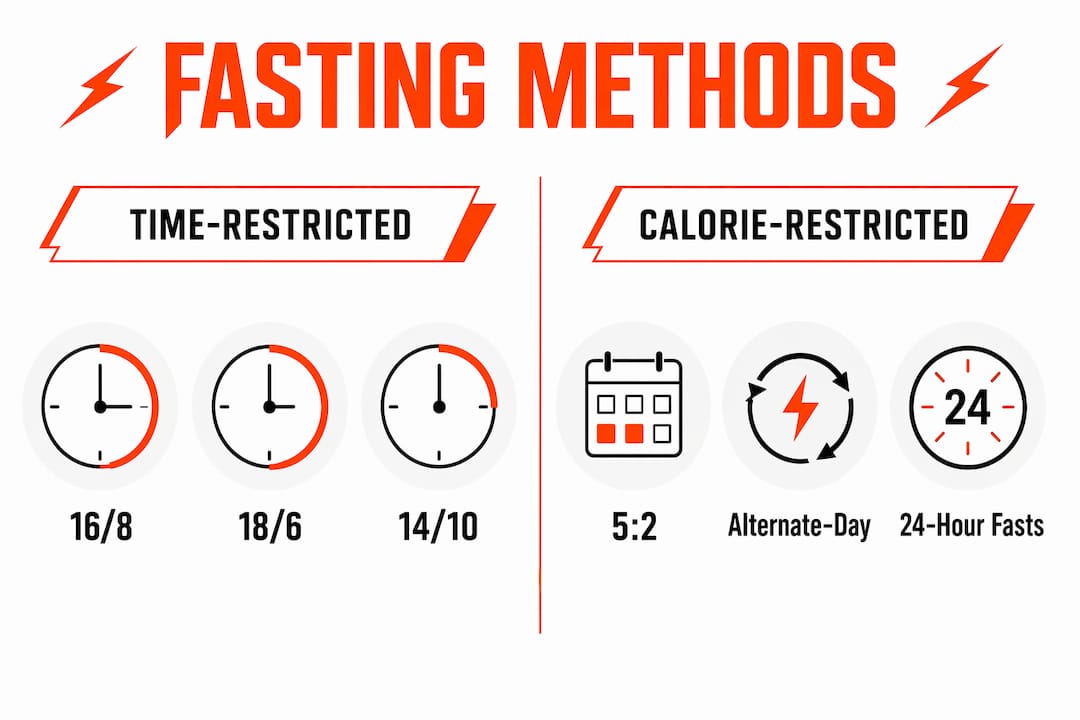
Choose a method that fits your schedule, whether that is the 16/8 method or the 5:2 approach.
Eat nutrient-dense food during your eating window. Lean proteins, vegetables, whole grains, and healthy fats keep energy stable.
Skip the sugar before a fast. Blood sugar spikes followed by crashes make hunger and irritability far worse.
Stay hydrated. Water, herbal tea, and black coffee are your tools for managing hunger and preventing headaches.
Adjust for real life. Social events, high-stress weeks, and poor sleep are all valid reasons to shorten your fasting window.
Watch for warning signs: persistent fatigue, irritability, poor sleep, or declining workout performance all signal that your current protocol needs adjustment.
Which fasting method actually fits your lifestyle?
Intermittent fasting is not one-size-fits-all, and picking the wrong schedule is one of the most common reasons people quit. The 16/8 method is the most beginner-friendly: fast for 16 hours, eat during an 8-hour window. Skipping breakfast and eating from noon to 8 PM is the most common version, and it fits naturally into most American work schedules.
The 5:2 method takes a different angle. You eat normally five days a week and limit intake to 500–600 calories on two non-consecutive days. That calorie ceiling is roughly 25% of a typical daily intake, so those two days require real planning around protein and fiber to stay full.
Full 24-hour fasts carry the highest burnout risk. Side effects like fatigue, nausea, headaches, and difficulty concentrating are common, and the method lacks strong research support for long-term use. For most people, it is a protocol to avoid, not aspire to.
Method | Fasting window | Calorie allowance | Beginner-friendly | Sustainability |
16/8 | 16 hours daily | Unrestricted in window | High | High |
5:2 | 2 days per week | 500–600 on fast days | Moderate | Moderate |
Alternate-day | Every other day | ~500 on fast days | Low | Low |
24-hour fast | 1–2 days per week | Zero calories | Very low | Low |
The right method is the one you can maintain without white-knuckling it. If you are new to fasting, the 16/8 schedule for busy people is the most practical starting point.
What you eat during your eating window matters more than you think
Nutrition quality during your eating window directly shapes how hard fasting feels. Complex carbohydrates and protein before a fast provide steady energy, while a sugar-heavy meal causes a blood sugar spike followed by a crash that leaves you hungry, irritable, and fighting the clock.
Here is what to prioritize:
Protein at every meal. Chicken, fish, eggs, beans, and Greek yogurt all slow digestion and reduce hunger during fasting hours.
Complex carbs over simple ones. Whole-grain pasta, brown rice, and potatoes give sustained energy rather than a short burst.
Vegetables and fiber. They add volume without excess calories and support gut health during fasting periods.
Hydration and electrolytes. Water prevents hunger headaches and stomach cramps. Electrolyte tablets or enhanced water help on longer fasting days.
Break your fast gradually. Spreading calories across two meals rather than one large one stabilizes blood sugar and prevents post-meal fatigue.
Consult your doctor if you take medications. Some prescriptions require food, and fasting without guidance can create real problems.
Pro Tip: Eat your largest meal mid-day rather than at the end of your eating window. Your blood sugar normalizes before bed, and sleep quality tends to improve noticeably within a week.
How to build flexibility into your fasting routine before burnout hits

Rigid fasting adherence is one of the primary predictors of long-term failure. The all-or-nothing mindset, where a missed window feels like the whole plan is ruined, is what turns a sustainable habit into a source of dread.
A flexible fasting mindset means treating your fasting window as a target, not a hard rule. If a work dinner runs late, shorten the next day’s fast. If you slept poorly, eat breakfast. The goal is consistency over weeks and months, not perfection on any single day. ForgeFast’s approach to fasting without extreme food rules is built around exactly this principle.
Schedule intense workouts during your eating window. High-intensity exercise during fasting increases stress hormones and tanks performance. Save it for when you have fuel.
Walk or do yoga during fasting hours. Low-intensity movement supports fasting without adding hormonal stress.
Adjust for your stress level. Fasting under high stress elevates cortisol, which works against the metabolic benefits you are fasting for.
Track hunger cues, not just the clock. If you are genuinely hungry two hours before your eating window opens, that is data worth acting on.
Pro Tip: Keep a simple log for two weeks: fasting hours, energy level (1–5), and mood. Patterns emerge fast, and you will know exactly which days need a shorter window.
Risks you need to know before pushing your fasting window further
Fasting done wrong produces real side effects. Headaches, dizziness, fatigue, and irritability are the body’s signal that the current protocol is too aggressive for your metabolism right now, not a sign to push harder.
Dizziness and fatigue usually mean dehydration or an electrolyte deficit. Address hydration before extending your fast.
Poor sleep or declining workout performance are signs the fasting window is too long for your current activity level.
Avoid strict fasting entirely if you are pregnant, breastfeeding, recovering from illness or surgery, underweight, or managing an eating disorder history.
Diabetes and medication users need healthcare provider guidance before starting any fasting protocol.
Gradual progression prevents most problems. Starting at 12 hours and increasing slowly gives your nervous system time to adapt without shock.
Fasting that causes consistent discomfort is not a discipline problem. It is a protocol problem.
What clinical experts say about sustainable fasting
The strongest expert consensus on preventing fasting burnout centers on one idea: treat fasting as a tool you adjust, not a rule you obey.
Dr. Mindy Pelz, whose work on flex fasting has influenced how many practitioners approach long-term fasting, describes the shift this way:
The flex fasting framework prioritizes nervous system regulation over hitting a specific fasting number. Fasting duration adapts to stress levels, sleep quality, and physiological cycles, which is exactly why it produces better long-term adherence than fixed-window approaches.
Johns Hopkins neuroscientist Mark Mattson, who has studied intermittent fasting for 25 years, notes that it takes two to four weeks for the body to adjust to a new fasting routine. People who push through that window and listen to their body tend to stick with the plan because they start feeling genuinely better.
Pro Tip: During high-stress periods, drop back to a 12-hour fast and focus on sleep and nutrition quality. Returning to a longer window after a recovery week is far easier than rebuilding after burnout.
Key Takeaways
The most effective way to avoid fasting burnout is to start gradually, eat well during your eating window, and treat flexibility as a feature of your plan rather than a failure of it.
Point | Details |
Start at 12 hours | Begin with an overnight fast and extend slowly to reduce side effects. |
Match method to lifestyle | The 16/8 method suits most beginners; 5:2 works for those who prefer weekly structure. |
Nutrition quality drives results | Complex carbs, protein, and hydration during eating windows prevent crashes and cravings. |
Flexibility prevents burnout | Adjusting fasting windows for stress, sleep, and social events sustains the habit long term. |
Warning signs need action | Fatigue, dizziness, and poor sleep signal the protocol needs adjustment, not more willpower. |
Recommended
Comments